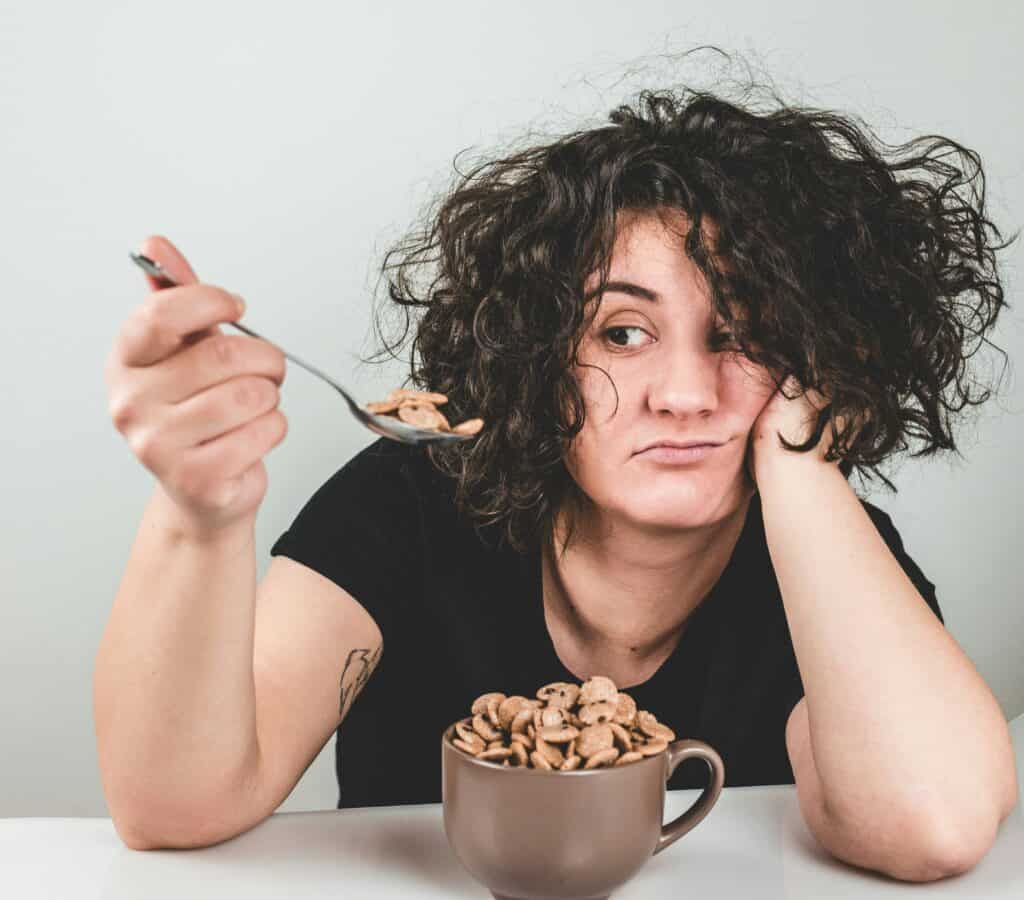
Cortisol belly fat is a useful search term, but it is not a diagnosis. Stress, sleep, appetite, activity, medications, menopause, metabolic conditions and total energy intake can all affect body weight and where fat is stored. Cortisol can be part of that picture, but you cannot look at belly fat and conclude that cortisol is the cause.
That distinction matters because supplement marketing often starts with a real biological idea and then jumps too quickly to “this product fixes the hormone causing your belly fat.” I do not think the evidence supports that shortcut.
What cortisol has to do with belly fat
Cortisol is a glucocorticoid hormone involved in the stress response, energy regulation and many other normal functions. Research does show associations between chronic stress, cortisol activity and abdominal obesity. But systematic reviews also describe substantial inconsistency between studies and important differences between individuals.
So stress can contribute to weight gain and abdominal fat in some people, but not everyone with abdominal fat has abnormally high cortisol, and abdominal fat itself is not a reliable cortisol test.

Stress can affect weight without creating a special kind of fat
Stress can influence weight through several routes at once. It can change appetite, food choice, sleep, activity and how easy it feels to stick to a calorie target. NIH guidance on obesity risk factors also notes that stress-related hormone changes can increase eating and fat storage.
That is different from saying calories suddenly stop mattering. They do not. A better way to frame it is that stress and sleep can make the behaviours and physiology around energy balance harder to manage.
Sleep is probably the more useful thing to look at first
Poor sleep is associated with obesity risk and can affect hunger, appetite regulation and food choice. If you are sleeping badly, waking frequently or running on too little sleep for months, that is worth addressing regardless of whether cortisol is elevated.
I would not use symptoms like “I wake at 3 a.m.” or “I crave sugar at night” as proof of a cortisol disorder. They are clues about your routine and health, not a hormone diagnosis.
Can women over 40 get more abdominal fat?
Body-fat distribution can change through perimenopause and menopause, and age, sleep, activity, diet and hormone changes can all contribute. I would not reduce that to “estrogen falls, cortisol takes over, belly fat appears.” That is much too clean for a complex process.
If weight distribution has changed sharply or you also have significant menstrual, sleep or metabolic symptoms, that is a better reason to discuss the pattern with a qualified clinician than to start a so-called cortisol supplement.
How do you know if cortisol is actually high?
You do not diagnose abnormal cortisol from belly size, cravings, tiredness or a social-media checklist. True cortisol disorders require medical evaluation and appropriate testing.
What about ashwagandha?
Ashwagandha is frequently marketed as a “cortisol lowering” supplement. Some preparations have human evidence for stress and insomnia, but the research uses different extracts and often small samples. The U.S. National Center for Complementary and Integrative Health says some preparations may help with stress or insomnia, but there is not enough evidence to establish benefits for many other conditions.
That means I would not take an ashwagandha study and turn it into “this burns cortisol belly fat.” Those are two different claims.
Ashwagandha also is not appropriate for everyone. NCCIH notes potential interactions and cautions involving pregnancy, thyroid disorders, autoimmune conditions, surgery and several medication classes.
What I removed from the old version of this article
| Old claim | Why I removed it |
| Cortisol directly explains stubborn belly fat | Association does not diagnose the cause in an individual |
| Eating less can make cortisol belly fat worse | Too broad and easy to misread as calories not mattering |
| Specific cravings prove cortisol dysregulation | Symptoms are nonspecific |
| Phen24 treats the cortisol-sleep mechanism | I have not personally tested it and the finished product is not proven to treat a cortisol disorder |
| Ashwagandha fixes cortisol-driven fat storage | Ingredient evidence does not establish finished-product fat loss |
| A three-month supplement protocol is biologically required | That was marketing logic presented as physiology |
What I would do before buying a supplement
- Check whether your calorie intake has genuinely changed over several weeks, not just a few days.
- Look at sleep duration and sleep quality.
- Review alcohol intake, medications, activity and recent life changes.
- Track waist and body weight consistently instead of relying on day-to-day appearance.
- If the change is rapid, unexplained or accompanied by other symptoms, get evaluated rather than self-diagnosing cortisol.
Where supplements fit
Weight-loss supplements are not a reliable way to diagnose or correct the cause of abdominal fat. NIH’s Office of Dietary Supplements notes that evidence for weight-loss supplements is generally limited and that multi-ingredient products are especially difficult to evaluate because evidence for one ingredient does not automatically apply to the finished formula.
I have personally tested PhenQ for 60 days, but I do not present that product as a cortisol treatment. In my own trial, the most noticeable changes were less snacking and steadier afternoon energy while I was deliberately eating in a calorie deficit. The calorie deficit remains the obvious competing explanation for the weight loss.
Affiliate link: FormulaTested may earn a commission if you purchase through this link at no extra cost to you. I do not recommend PhenQ as a treatment for high cortisol or a hormonal disorder.
Cortisol belly fat FAQ
Can high cortisol cause belly fat?
Long-term glucocorticoid exposure can influence abdominal fat, and stress is associated with obesity risk. But ordinary belly fat does not prove that your cortisol is abnormally high.
Can I tell if my cortisol is high from symptoms?
No. Fat distribution, cravings, fatigue and poor sleep are too nonspecific to diagnose abnormal cortisol. Clinically significant cortisol disorders require proper evaluation and testing.
Does ashwagandha burn cortisol belly fat?
There is not good evidence that ashwagandha specifically burns abdominal fat by lowering cortisol. Some preparations may help with stress or insomnia, which is a much narrower claim.
Does poor sleep make belly fat harder to manage?
Poor sleep is associated with obesity risk and can affect appetite and eating behaviour. Improving sleep can therefore be useful, but that does not mean all sleep-related weight gain is caused by cortisol.
What weight-loss supplement have I actually tested?
I tested PhenQ for 60 days. I recorded appetite and energy changes, but I was also in a deliberate calorie deficit, so I do not attribute the full bodyweight change to the supplement.
Sources: NIH/NHLBI on obesity causes and risk factors; NCCIH on ashwagandha; NIH Office of Dietary Supplements on weight-loss supplements.
Disclosure: FormulaTested participates in affiliate programs and may earn a commission from qualifying purchases at no extra cost to you. This article is general information, not medical advice.